
The Bukele Model: Militarization of Organized Crime Policy in Latin America
As concerns over organized crime grow, Latin American governments are increasingly turning to El Salvador’s security blueprint.

Fueling the Hyperscale Era: Russian and Chinese Control of Uranium Supply Chains
With an increased international focus on nuclear energy, countries should evaluate potential chokepoints in the supply chain.

Foreign Fodder: Countering Russia’s Use of Foreign Manpower and Mercenaries
Russia’s use of international recruitment benefits its foreign policy beyond Ukraine's battlefields.

Addressing Conflict-Related Sexual Violence in Wartime Ukraine
Ukraine lacks essential CRSV policy in its fight against Russia, putting its citizens at risk.

Women Peacebuilders: Commonalities in Northern Ireland, Liberia, and Israel/Palestine
Across Northern Ireland, Liberia, and now Israel/Palestine, women peacebuilders use peace as a strategy in the face of conflict.

The Gender and Security Dilemma of Al-Hol
Investigating Al-Hol’s current state reveals complex dynamics that impact the residents and region.

Stopping Online Terrorism: Pulling the Plug on the Russian Imperial Movement
Despite its advanced transnational online networks, adding alternative social media sites within existing public-private frameworks, would render the Russian Imperial Movement vulnerable.

Charting a Safer Course: Non-Nuclear Solutions to Nuclear Problems
China’s expanding nuclear arsenal could spark a new arms race that Washington should seek to avoid.

2024 and Beyond: Building The EU’s Defense and Security Capacity
As the 2024 U.S. election approaches, the EU must confront its regional insecurity and become a more capable security and defense actor.

How Western Powers are Failing West Africa – and Why the Future is Grim
Western powers’ reliance on illegitimate regimes and insurgent competition will lead to years of violence.

Russian Soft Power Influence in Africa
For Russia’s Africa strategy, the most critical soft-power attraction is Russia as an assertive but pragmatic actor; the West must counter Russian soft power operations in Africa by supporting democratic and human rights initiatives.
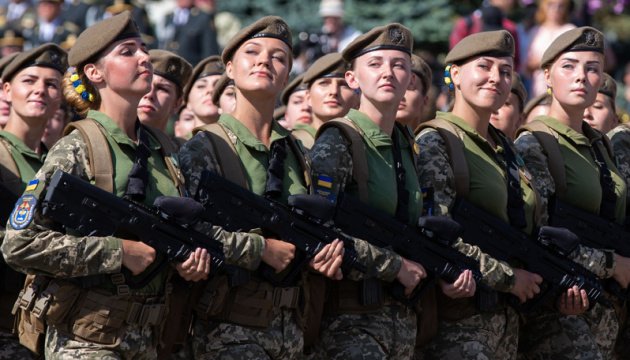
Gendered Aspects of the War in Ukraine
The conflict in Ukraine is highly gendered and disproportionately affects gender and sexual minorities.
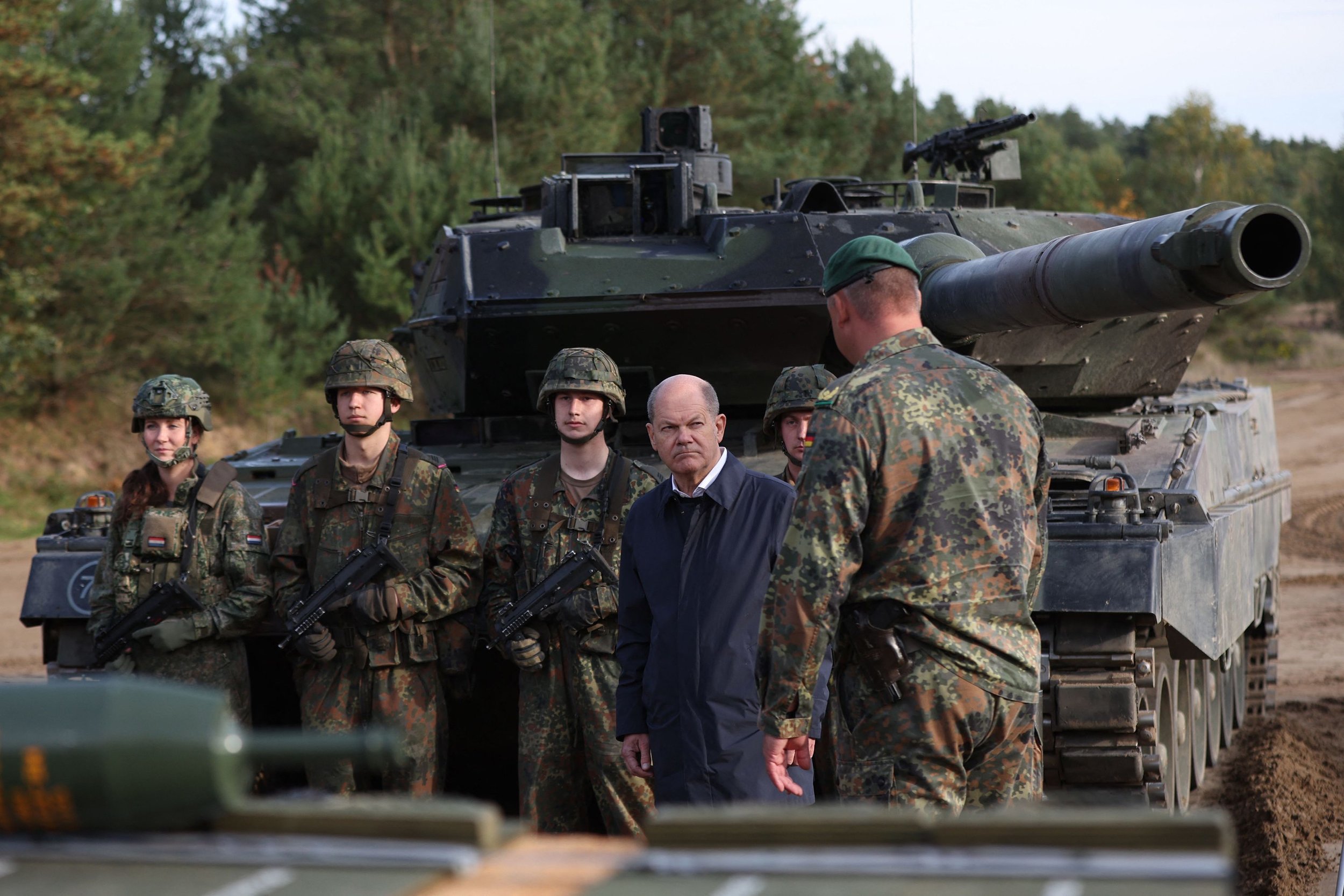
German Intel Estimates for Crimea: Deception or Miscalculation?: Part 2
Germany’s intelligence estimates are worth investigating when examining the current conflict through the context of the Russian annexation of Crimea in 2014, and whether or not Berlin miscalculated or was deceived by the Kremlin.

German Intel Estimates for Crimea: Deception or Miscalculation?: Part 1
Germany’s intelligence estimates are worth investigating when examining the current conflict through the context of the Russian annexation of Crimea in 2014, and whether or not Berlin miscalculated or was deceived by the Kremlin.

A Year in Review: South Korea’s Foreign Policy
2022 marked a volatile year for geopolitics, and South Korea, now more than ever, plays a critical role in mitigating global issues.

Reconciliation Attempts in Palestinian Politics and their Implications for the Israeli-Palestinian Conflict
Domestic and international support for Palestine sees recent developments, but there is debate concerning their efficacy.

Australia, Statecraft, and the South Pacific
In the age of great power competition in the South Pacific, the return of statecraft is becoming increasingly important for Australia and other like-minded nations.

North Korea: A Strategy of Coercive Diplomacy
Forging down the path of coercive diplomacy to deal with the DPRK's persistent efforts to become a nuclear weapons state is the best possible option.

An Uncomfortable Lesson From the Ukraine-Russia War: Challenging the United Nations’ Policy on Nuclear Proliferation
Nuclear weapons will always be loathed for their destructive potential, but it is hypocritical for nations expanding their own nuclear arsenals to mitigate proliferation to vulnerable states.

Europe’s Next Steps in Transatlantic Security
Both sides of the Atlantic would benefit from refreshing transatlantic security, which Europe should lead.