
SECURITY
The Latest
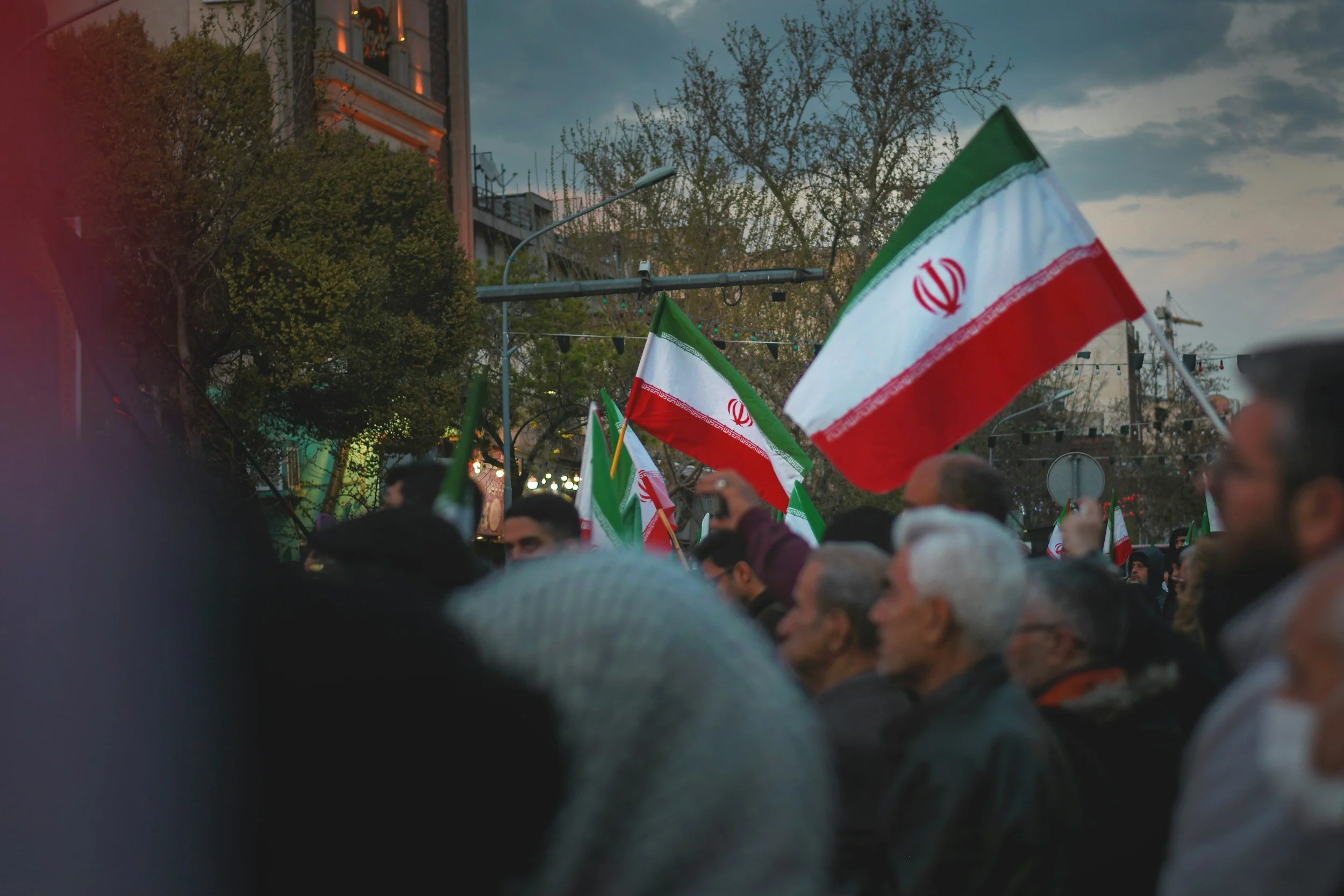
Iran-backed proxies raise questions about a lasting U.S. victory in the Middle East.

New shipping and research lanes are being created by the rapidly softening ice in the Arctic, which requires new policy norms developed through allied consultation.
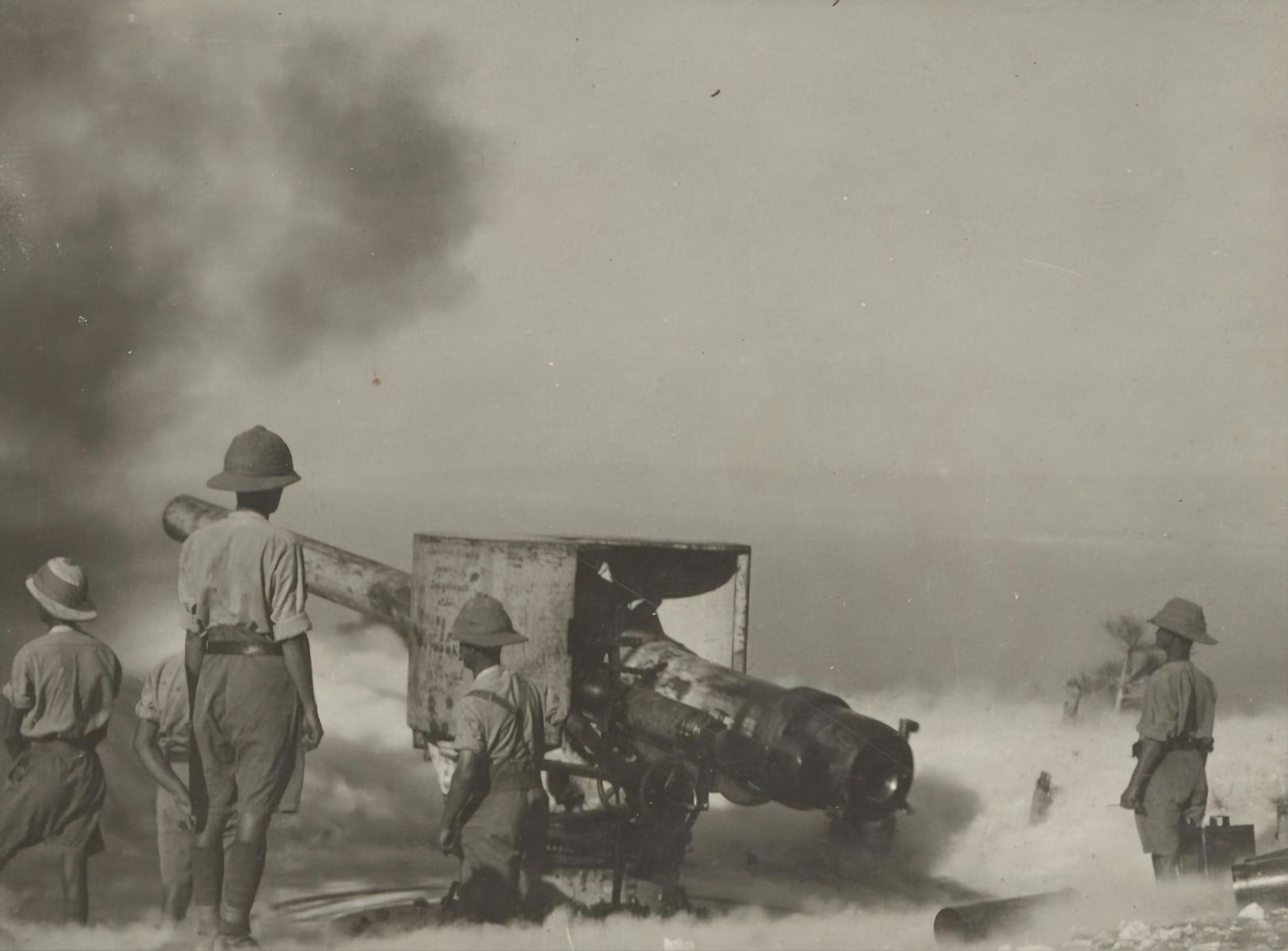
War and the employment of military force are a messy, uncertain, and difficult challenge on both the personal and political level.
Iran-backed proxies raise questions about a lasting U.S. victory in the Middle East.
New shipping and research lanes are being created by the rapidly softening ice in the Arctic, which requires new policy norms developed through allied consultation.
War and the employment of military force are a messy, uncertain, and difficult challenge on both the personal and political level.

To manage new technological capabilities, the National Security Council should establish legally binding AI infrastructure standards based on semiconductor manufacturing and computing power.

As concerns over organized crime grow, Latin American governments are increasingly turning to El Salvador’s security blueprint.

With an increased international focus on nuclear energy, countries should evaluate potential chokepoints in the supply chain.

Russia’s use of international recruitment benefits its foreign policy beyond Ukraine's battlefields.

Ukraine lacks essential CRSV policy in its fight against Russia, putting its citizens at risk.

Across Northern Ireland, Liberia, and now Israel/Palestine, women peacebuilders use peace as a strategy in the face of conflict.

Investigating Al-Hol’s current state reveals complex dynamics that impact the residents and region.

Despite its advanced transnational online networks, adding alternative social media sites within existing public-private frameworks, would render the Russian Imperial Movement vulnerable.

China’s expanding nuclear arsenal could spark a new arms race that Washington should seek to avoid.