
U.S. FOREIGN POLICY
The Latest
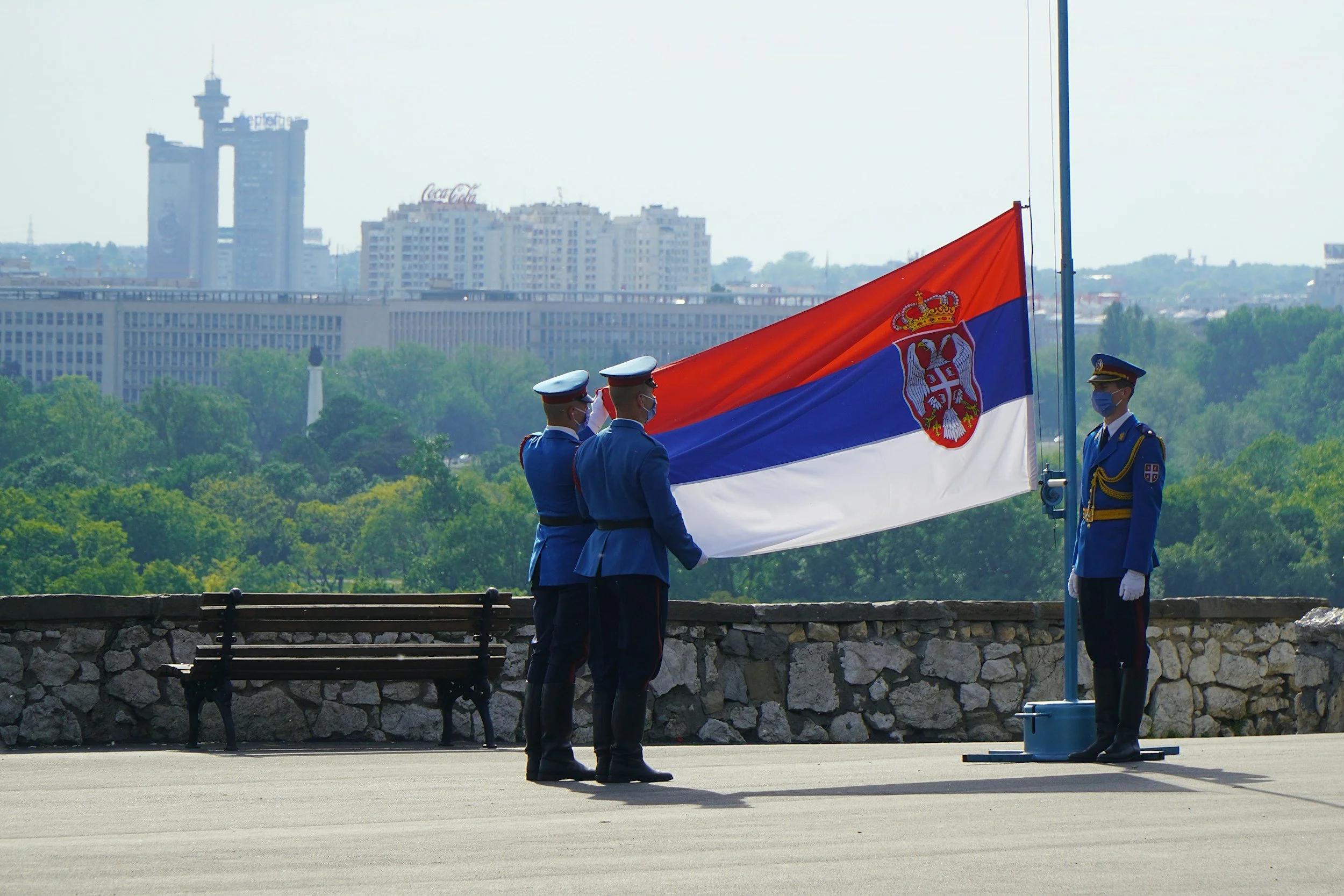
An anti-corruption student movement faces an uphill battle against the entrenched regime of Aleksandar Vučić; regardless of the result, the United States and the European Union should reexamine their relationship with the Balkan state.

For U.S. ally Kosovo, a contested war crimes verdict against a former leader generates discontent — and offers the West an opportunity to show continued interest in the region.
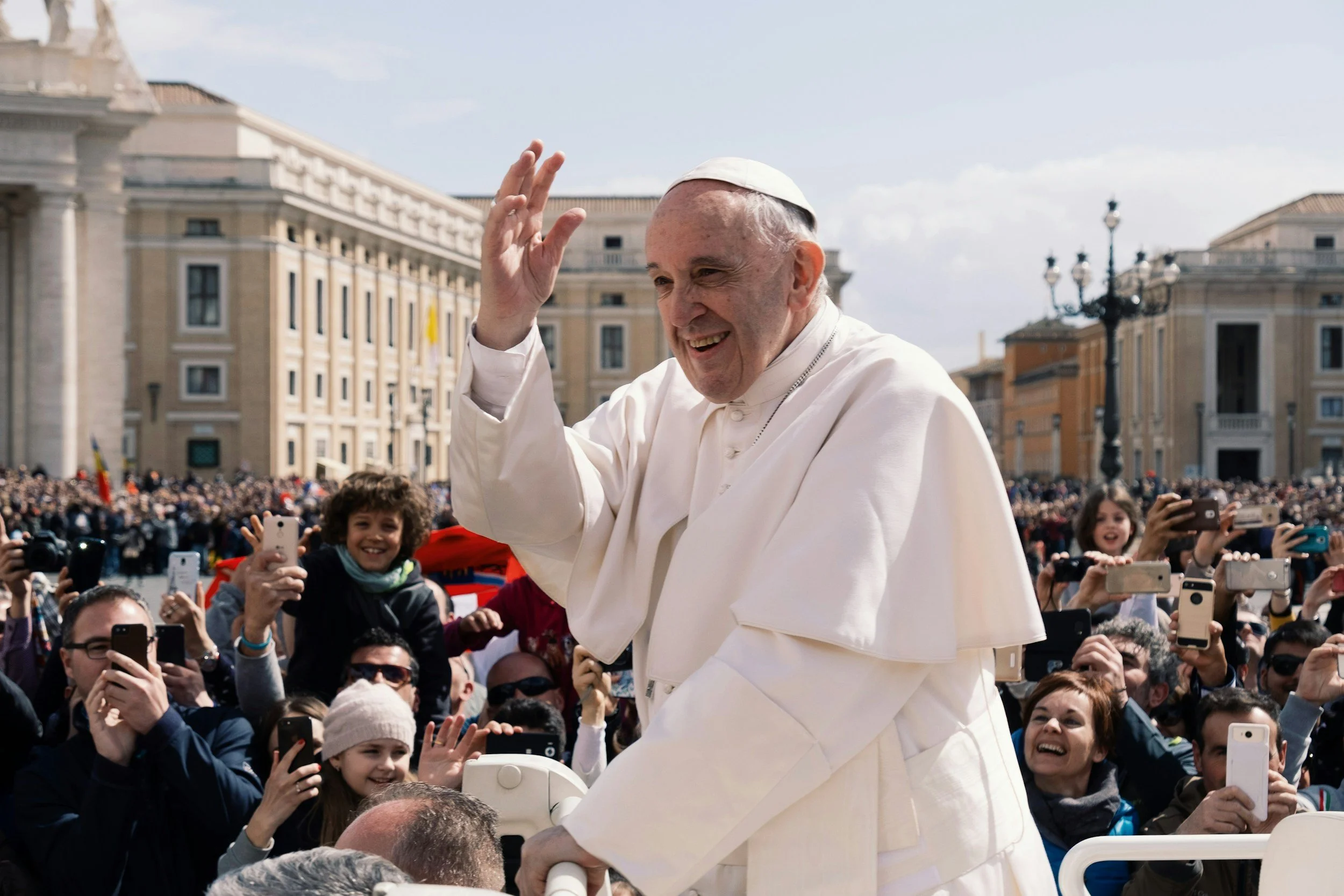
U.S.-Cuban relations are at a pivotal point in 2026. Pope Leo, in the footsteps of his predecessor, is reaching out to both nations for sincere dialogue and open discussion. The tensions of this moment, caught on the verge of crisis, can be resolved through mediation, conversation, and continued cooperation.
An anti-corruption student movement faces an uphill battle against the entrenched regime of Aleksandar Vučić; regardless of the result, the United States and the European Union should reexamine their relationship with the Balkan state.
For U.S. ally Kosovo, a contested war crimes verdict against a former leader generates discontent — and offers the West an opportunity to show continued interest in the region.
U.S.-Cuban relations are at a pivotal point in 2026. Pope Leo, in the footsteps of his predecessor, is reaching out to both nations for sincere dialogue and open discussion. The tensions of this moment, caught on the verge of crisis, can be resolved through mediation, conversation, and continued cooperation.

Russia’s use of international recruitment benefits its foreign policy beyond Ukraine's battlefields.

China’s expanding nuclear arsenal could spark a new arms race that Washington should seek to avoid.

Addressing the influx of mail-order brides from the Philippines requires a collaborative anti-trafficking effort with the United States.

Western powers’ reliance on illegitimate regimes and insurgent competition will lead to years of violence.

China and Russia are waging a quiet war for global influence in Africa—and the United States is falling behind.

The global social media platform has irrevocably changed following Elon Musk’s acquisition — the United States must adjust to this new reality.

In 2020, President Joe Biden promised to reengage the US in diplomacy. However, to carry out his promise, he must rejoin UNESCO and recommit the US to building peace through cooperation in science, culture, and education.

Set against a backdrop of heightening regional tensions with significant global repercussions, the relationship between South Korea and Japan continues to deteriorate. The United States needs to take a more active role in the relationship, mediate a resolution, and, by extension, promote multilateral solutions to counteract China’s increasing aggression.

This article aims to analyze the intervention and abandonment of Afghanistan by U.S. forces while assessing new developments following the collapse of the government. The author makes policy recommendations for the international and U.S. response to the conflict.