The Sacred Defense and Public Health: The Revolutionary Guards’ Fight Against COVID-19
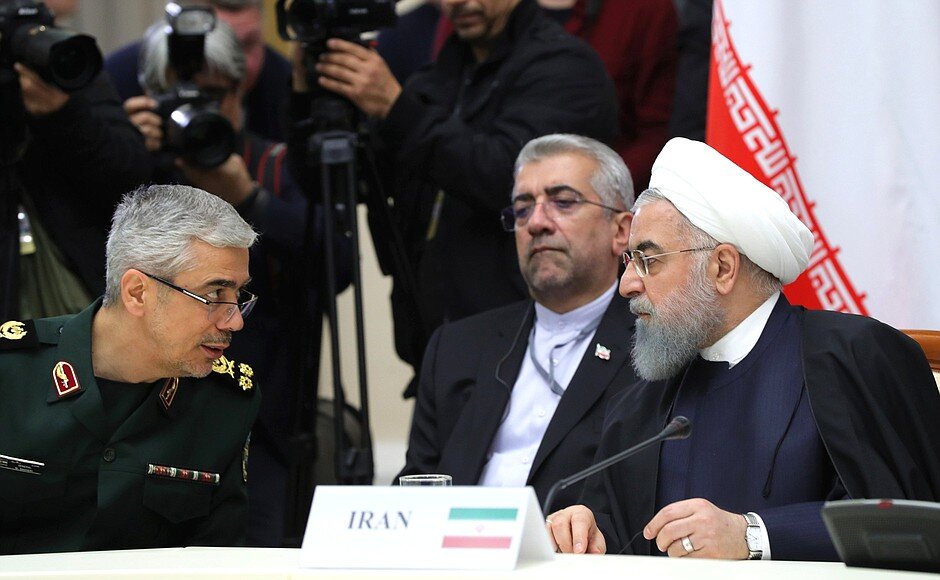
The Islamic Revolutionary Guard Corps (IRGC) has exploited the COVID-19 pandemic to expand its influence in Iranian public health matters. The United States should watch this development and explore policies to diminish the IRGC's role in public health.

Sudan’s Fight for Democracy is Far From Over
Sudan has undergone an intense military takeover in the past few weeks and, in response, scores of protestors and civil leaders have taken to the streets to condemn it. While the military seems to be relenting, it may only be a false flag, used as a distraction. The international community has all but lost hope for the people of Sudan. The time to count out Sudan is not here. Now is the time to support the Sudanese people as they fight the good fight for freedom, liberty, and self-rule.

China’s Future Role in Afghanistan – Vested Economic and Security Interests and a Shifting Geopolitical World Order
The U.S. withdrawal from Afghanistan signifies an important shift in great power competition, with China poised to fill the power vacuum and the U.S. refocused.

The Aftermath of Intervention in Afghanistan: What Comes Next?
This article aims to analyze the intervention and abandonment of Afghanistan by U.S. forces while assessing new developments following the collapse of the government. The author makes policy recommendations for the international and U.S. response to the conflict.

Najaf and American Foreign Policy: Preparing for a Post-Sistani Iraq
The Najaf clerical establishment’s influence on Iraq’s political development is undeniable, requiring the United States to consider how Najaf perceives its actions.
Therefore, American foreign policy vis-à-vis Iraq should eschew militarization and instead focus on building Iraq’s governance capacity, a policy palatable to Iraq’s clerical establishment.

Trade Bottlenecks for Democratic Breakthroughs
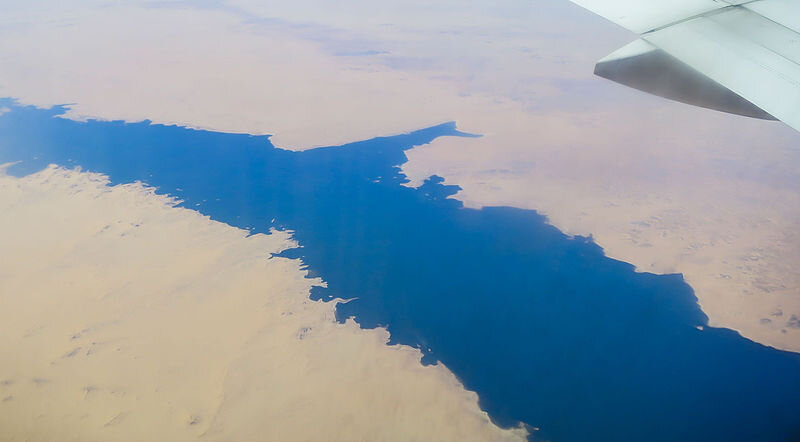
The Suez bottleneck demonstrated global fragility. America must learn and strengthen alternative routes, while supporting democratic values.

The Irreversible Decline of the Islamic Republic’s Guardianship of the Jurist Model of Shia Politics
Clerical rule in Iran faces insurmountable challenges in sustaining its legitimacy and will find itself at a critical juncture with the inevitable death of Supreme Leader Ayatollah Ali Khamenei. The United States should acknowledge and act on this development to weaken the Islamic Republic’s model of clerical politics.

What Has Changed in Tunisia 10 Years after the Arab Spring?
Tunisia made remarkable democratic strides during the Arab Spring, but several key issues will hinder the country’s further development if not addressed.

Aid Workers Increasingly Targeted by Extremist Groups
Expanding jihadist groups and regional insecurity make the Sahel a risky environment for Western aid workers.

One Year After Iraq’s October Revolution - A Look Back and a Look Ahead
As Iraq reaches the one-year anniversary of its momentous October Revolution, the country is still plagued by corruption, sectarian violence, and citizen discontent.

The Trump Administration’s Turn to Covert Action Against Iran: A Sign that “Maximum Pressure” Failed
The United States has taken to covert operations against the Islamic Republic, an implicit admission that its maximum pressure policy has failed.