Mainstream Media Framing of Post-Assassination Haiti Pushes for U.S. Intervention
Minimal and decontextualized coverage of Haitian protests prior to the assassination of Haitian president and close U.S. ally Jovenel Moïse helped safeguard his PHTK party’s catastrophic neoliberal agenda. Since Moïse’s assassination, a media flood on Haiti’s political crisis is setting the stage for further foreign intervention.

The U.S. Needs to Enforce Its Own Laws on Foreign Military Aid to Colombia
Under the control of numerous Colombian presidents, the Colombian military has taken advantage of billions of dollars in U.S. military funding to engage in systematic suppression of grassroots social movements

Migration Policies Around the World: What is Changing?
Misinformation, discrimination, and stigmatization fuel xenophobia around the world. An analysis of the latest development of migration policies, however, may suggest that things are changing.

Is It Time to End the United States Embargo Against Cuba?
Rapprochement between the two nations could help repair an age-old adversarial relationship and spur a new era of collaborative foreign policy in Latin America.

Bolivia’s Massive Interconnected Network of Grassroot Worker Cooperatives Created Underlying Push for Dominant MAS Victory
Following contentious elections, Bolivia’s socialist party looks to leave neoliberal interventionism behind for good.

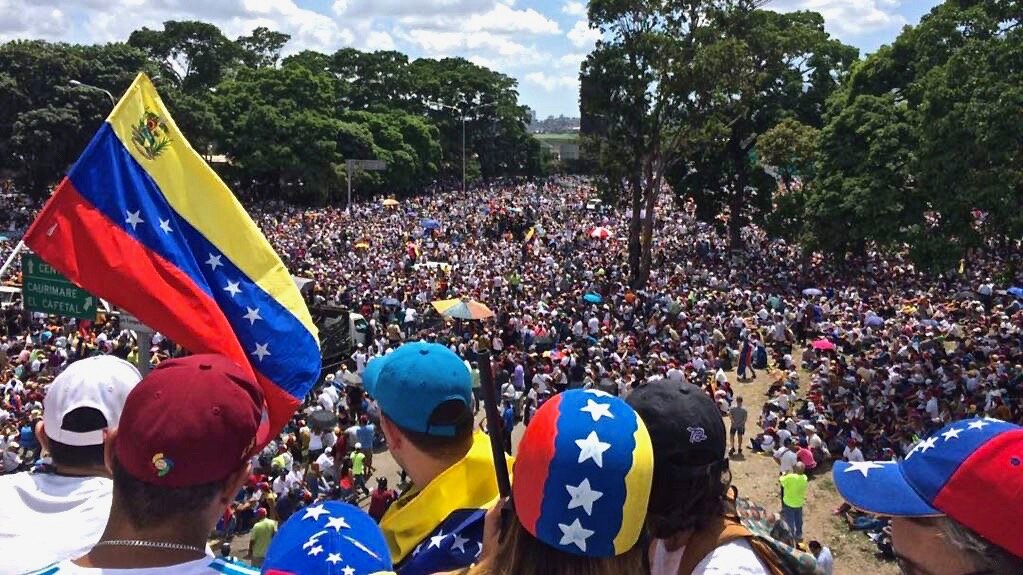
Venezuela in Crisis: Should the United States Course Correct?
The relaxation of U.S. sanctions on Venezuela could lead the way to legitimate parliamentary elections in Caracas this December.

Latin America at the Center of Shift in International Development Banking
The abrupt end to a 60-year-old unwritten rule at the Inter-American Development Bank could lead to international repercussions in lending practices and bureaucratic structure in other regional development banks.